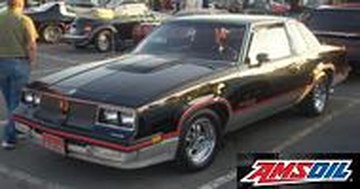
Engine Oil Maintenance for the 1983 Oldsmobile CUTLASS 5.7L
Maintaining the lubrication system is a fundamental aspect of vehicle upkeep. For this specific 1983 Oldsmobile CUTLASS with the 5.7L engine, regular attention to oil quality and levels helps manage the long-term health of the engine components.
When should I change the oil in my 1983 Oldsmobile CUTLASS 5.7L?
To determine the correct interval for an oil change, you should follow the owner's manual or the manufacturer maintenance schedule. No specific mileage or time intervals are provided here, so relying on the original documentation is the only way to identify the intended service frequency for this vehicle.
Understanding Listed Oil Viscosities
When selecting lubrication for this engine, it is important to reference the viscosities listed in the technical data. For this application, 10W-30 and 5W-30 are the database-allowed viscosities. Using a viscosity that is listed for the vehicle ensures you are working within the parameters established for this specific engine configuration.
Monitoring Oil Levels Regularly
Beyond following a scheduled change interval, checking the oil level manually is a practical maintenance habit. This involves using the dipstick to verify that the fluid level remains within the operating range. Frequent checks can help identify if the engine is consuming oil or if there are external leaks that require attention before they lead to low-pressure conditions.
The Role of the Oil Filter
Every time the engine oil is changed, the oil filter should be addressed. The filter is responsible for capturing contaminants within the lubrication stream. While specific part numbers and filtration media details are not provided in this record, replacing the filter during an oil service is a standard component of a complete lubrication system refresh.
Observing Oil Condition
The physical appearance of the oil can provide information regarding engine operation. While diesel engines often produce oil that appears darker more quickly than other engine types, consistent monitoring for unusual textures or extreme discoloration can be useful. If the oil appears excessively gritty or shows signs of significant contamination, it may indicate a need for service regardless of the current mileage.
Managing Engine Lubrication in Light Trucks and Auto Applications
As this vehicle is categorized as an auto-and-light-truck type, the lubrication system must handle the specific thermal and mechanical loads associated with that classification. Maintaining clean oil and following the manufacturer's guidance helps ensure the engine remains prepared for its intended operational duties. Consistent adherence to the maintenance schedule provided by Oldsmobile is the most reliable method for managing these requirements.
What oil does my 1983 Oldsmobile CUTLASS 5.7L take?
The following oils are listed for this vehicle:
- DTT1G-EA — Signature Series Max-Duty Synthetic Diesel Oil 10W-30
- ADNQT-EA — Heavy-Duty Synthetic Diesel Oil 10W-30
- DHDQT-EA — Signature Series Max-Duty Synthetic Diesel Oil 5W-30
What oil filter does my 1983 Oldsmobile CUTLASS 5.7L need?
The following oil filters are listed for this vehicle:
- EAO64-EA — AMSOIL Ea Oil Filters
- 51045-EA — WIX Oil Filter
What transmission fluid does my 1983 Oldsmobile CUTLASS 5.7L take?
The following fluids are listed for this application:
- ATLPK-EA — Signature Series Fuel-Efficient Synthetic Automatic Transmission Fluid
- OTLQT-EA — OE Fuel-Efficient Synthetic Automatic Transmission Fluid
What differential or gear oil does my 1983 Oldsmobile CUTLASS 5.7L take?
The following gear oils are listed for this vehicle:
- SEVERE GEAR® 80W-90 (AGLPK-EA)
- SEVERE GEAR® 75W-90 (SVGPK-EA)
- SEVERE GEAR® 75W-110 (SVTPK-EA)
What coolant does my 1983 Oldsmobile CUTLASS 5.7L take?
The following products are listed for this vehicle:
- ANTPC1G-EA — Passenger Car & Light Truck Antifreeze & Coolant
- ANT1G-EA — Low Toxicity Antifreeze and Engine Coolant
BUYING ENGINE OIL
When you are ready to purchase lubrication, look for products that align with the listed viscosities of 10W-30 or 5W-30. Always verify that the product packaging matches the specifications required for your specific engine type. Checking the label for clarity and ensuring the container is sealed is a standard part of the shopping process.